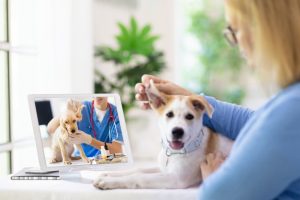
What Telehealth Means in a Veterinary Setting
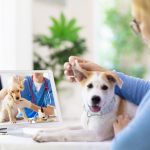
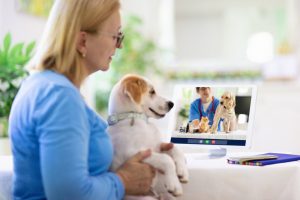
Veterinary medicine continues to evolve as clinics adopt tools that help them manage complex cases and access specialized expertise. One of the most important developments has been the growth of veterinary telehealth. This approach allows veterinarians to connect with specialists remotely and obtain expert guidance when additional insight is needed.
For many clinics, this shift has changed how complex cases are managed. Instead of waiting for an in-person referral or attempting to solve difficult diagnostic questions alone, veterinarians can collaborate with specialists in real time. This makes it easier to review challenging cases and move forward with informed treatment decisions.
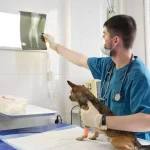
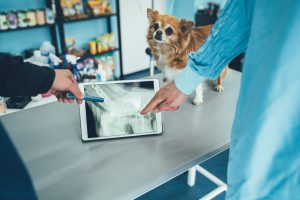
In a veterinary setting, telehealth refers to digital communication systems that support collaboration between veterinary professionals. Clinics can submit diagnostic images, medical histories, and test results to specialists who review the information and provide recommendations. These telehealth consultations allow practices to gain expert insight without needing on-site specialists.
Importantly, veterinary telehealth is consultative in nature. It does not replace the role of the primary veterinarian or create direct patient care between specialists and pet owners. Instead, it strengthens the care provided by the veterinarian managing the case.
Now, many clinics rely on veterinary telemedicine service to obtain second opinions, interpret diagnostic findings, and discuss treatment strategies while maintaining full responsibility for patient care.
Common Telehealth Use Cases in Veterinary Medicine
Telehealth services are used across many areas of veterinary medicine. Clinics often rely on remote veterinary consultations when cases require specialized interpretation or additional expertise.
Some of the most common applications include:
- Teleradiology services for reviewing diagnostic images such as X-rays.Internal medicine consultation for complex or difficult cases that require deeper diagnostic evaluation and treatment planning.
These services allow clinics to collaborate with specialists while continuing to manage patient care locally. In many situations, the primary veterinarian remains the central point of contact for the client, while specialists provide expert interpretation and clinical recommendations.
How Telehealth Supports Better Clinical Decisions
Access to specialist expertise helps veterinarians evaluate complex cases more effectively. When clinicians can review imaging studies, laboratory results, and patient histories with experienced consultants, they gain additional perspective that supports clearer diagnostic decisions.
This type of diagnostic collaboration allows veterinarians to confirm findings, identify possible conditions more quickly, and develop treatment plans based on specialist insight. Through virtual veterinary care, practices gain another layer of expertise that strengthens decision making and supports better outcomes for patients.
Telehealth vs. In-House Specialists
Some large veterinary hospitals employ specialists in multiple disciplines. While this model works for large referral centers, it is rarely practical for general practices or smaller hospitals.
Hiring full-time specialists requires significant resources, and many clinics do not have the case volume needed to support several specialty positions. Telehealth services offer a more flexible alternative.
With remote telemedicine consultation, veterinarians can access specialty expertise only when it is needed. A clinic may request input from a cardiologist, radiologist, or internist depending on the case. This approach allows a veterinary practice to expand the level of care provided without the long-term commitment of maintaining an in-house specialty team.
Scheduling is also more flexible. Instead of coordinating in-person appointments with visiting specialists, veterinarians can submit cases digitally and receive feedback that supports timely clinical decisions.
Where Telehealth Fits into Daily Practice Workflows
Telehealth services are designed to integrate naturally into the daily operations of veterinary clinics. In many practices, the process begins with gathering diagnostic information such as imaging studies, laboratory data, and patient history.
Once the case is submitted, specialists review the information and provide detailed recommendations. These insights help veterinarians evaluate findings, confirm diagnoses, and determine appropriate treatment strategies.
Services such as imaging interpretation and internal medicine consults are particularly well suited for remote review because diagnostic data can be evaluated digitally. This allows veterinarians to obtain specialist guidance without disrupting their schedule or delaying patient care.
By making expert consultation more accessible, telehealth allows clinics to address complex medical questions while maintaining efficient daily operations.
AxisVet’s Role in Veterinary Telehealth
At AxisVet, we work directly with veterinary clinics to provide specialty consultation through remote services. Our team focuses on delivering timely interpretations and practical recommendations that help veterinarians evaluate complex cases and move forward with more effective treatment decisions.
We provide consultative support in a variety of areas that allow veterinary teams to access specialized expertise while continuing to manage patient care within their own practice. Our goal is to make expert consultation accessible when clinics need it, without adding the burden of hiring full-time specialists.
Evaluating Whether Telehealth Is Right for Your Clinic
Telehealth may be worth considering if your clinic is seeing more complex cases, increasing patient demand, or limited access to referral hospitals. Through our remote consultation, your team can expand their diagnostic capabilities while maintaining control of patient care.
If your clinic is interested in adding telehealth support for specialty cases, we would be glad to help. Contact us today to learn how we can support your practice.