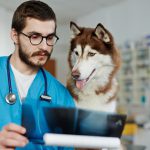
Why Veterinary Teleradiology Is Gaining Momentum
Many veterinary clinics face a common challenge. Diagnostic images are available, but specialist interpretation is not always immediately accessible. When answers are needed quickly, delays in veterinary radiology review can slow clinical decisions.
Veterinary clinics are seeing more patients while working with limited specialist staffing. As caseloads grow, many practices find it difficult to keep up with the demand for timely diagnostic imaging interpretation. Access to board-certified radiologists is limited in many regions, and hiring a full-time specialist is not always feasible.
At the same time, expectations for fast diagnostics continue to rise. Pet owners want answers quickly when their animals are sick or injured, and veterinarians need reliable imaging interpretation to guide treatment decisions.
Veterinary teleradiology offers a practical solution. Through this service, clinics can better meet these expectations by providing access to specialist expertise when it is needed, without requiring additional in-house staff.
How Teleradiology Service Fits into Modern Veterinary Practice
Most clinics use teleradiology as a flexible extension of their veterinary imaging workflow. It allows veterinarians to obtain additional expertise when they need it, without interrupting the pace of daily practice.
Common ways clinics use teleradiology include:
- Managing overflow imaging cases when in-house staff are busy
- Getting specialist input on complex or unusual findings
- Supporting after-hours or emergency imaging review
- Providing an extra level of confirmation for important diagnoses
With these capabilities, teleradiology for veterinarians becomes a practical tool that supports both general practice and specialty care.
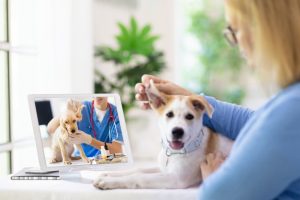
Many clinics also pair teleradiology with broader digital services such as veterinary telemedicine. Together, these tools help practices expand the care they can deliver while maintaining efficiency.
The Role of Speed and Accuracy in Diagnostic Imaging
Speed and accuracy are both essential in veterinary imaging interpretation. When a patient arrives with breathing issues, trauma, or unexplained pain, veterinarians need reliable information quickly. Fast turnaround time radiology services allow clinicians to move forward with treatment decisions sooner.
Accurate interpretation also builds trust with pet owners. Clear imaging reports help veterinarians explain diagnoses, discuss treatment options, and guide the next steps in care. When diagnostic imaging support is reliable and timely, the entire clinical process becomes smoother for both the veterinary team and the client.
Common Imaging Cases Supported by Teleradiology
Many types of imaging studies can benefit from remote specialist review. Teleradiology is particularly helpful when cases require a second opinion or when findings are difficult to interpret.
Common examples include:
- Thoracic imaging used to evaluate heart size, lung disease, or trauma
- Abdominal imaging that helps identify organ changes, masses, or fluid
- Orthopedic evaluations involving fractures or joint conditions
- Follow-up studies used to monitor healing or disease progression
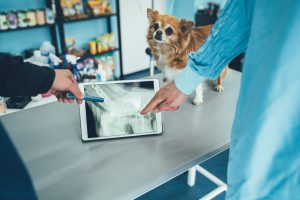
In many cases, clinics submit veterinary radiographs for expert review to confirm a diagnosis or rule out additional concerns. These reports help veterinarians move forward with treatment plans while maintaining confidence in the findings. Practices that need support with image review can learn more about radiograph interpretation as part of their diagnostic imaging services.
Addressing Misconceptions Around Teleradiology
Some clinics initially hesitate to adopt teleradiology because they worry about the quality of interpretations or the level of communication with consulting specialists. In practice, these concerns are often resolved once clinics experience the process firsthand.
Board-certified radiologists who work in veterinary teleradiology review imaging studies every day and bring extensive experience to each case. Their reports are structured, detailed, and written to support clinical decision making.
Communication is another area that has improved significantly in recent years. Many services allow veterinarians to include clinical history, specific questions, and notes when submitting cases. Radiologists can then tailor their reports to the clinical context and provide guidance that is relevant to the patient.
This collaborative approach allows practices to obtain specialty consultations that support the work of the primary veterinarian. Instead of replacing the veterinarian’s judgment, teleradiology adds another layer of expertise to the diagnostic process.
How AxisVet Supports Veterinary Teleradiology Needs
At AxisVet, we work closely with veterinary clinics to provide reliable imaging interpretation when it is needed most. Our veterinary teleradiology services are designed to support practices with timely reports and clear clinical insight.
Our team understands the pace of veterinary medicine. Cases arrive throughout the day, and many require quick imaging review so clinicians can move forward with treatment decisions. We focus on providing consistent service and reports that are easy to read and useful in daily practice.
Our goal is simple: help veterinarians access expert radiology interpretation that integrates easily into daily clinical practice. Clear reporting and responsive service allow clinics to rely on outside expertise while maintaining full control of patient care decisions.
When to Consider Adding Teleradiology to Your Practice
Teleradiology can help practices manage growing caseloads and limited access to in-house specialists. It also provides reliable imaging support during evenings, weekends, or busy periods. When imaging studies increase and staffing remains the same, remote radiology review allows veterinarians to confirm findings and obtain specialist insight without delays.
If your practice needs dependable remote radiology interpretation, our team is ready to deliver timely radiology insight when you need it most.